I may earn a commission at no extra cost to you. #ad
Developing Functional Beverages: A Guide to Balancing Nootropics and Palatability
Jump to Section
The "ready-to-drink" (RTD) market is currently undergoing a massive shift. Consumers are no longer satisfied with mere hydration; they are seeking "functional" benefits—specifically cognitive enhancement, focus, and stress reduction. This has led to the explosion of nootropic beverages. However, the biggest hurdle for any product developer is the inherent bitterness and off-notes associated with brain-boosting ingredients.
The Rise of Nootropic Beverages
Nootropics, often referred to as "smart drugs" or "cognitive enhancers," range from natural botanicals like Ashwagandha to amino acids like L-Theanine. As the workforce becomes more mentally demanding, the demand for focus-driven drinks has moved from a niche biohacker market to the mainstream. Today's consumer wants a "clean" energy boost without the jittery crash of traditional high-caffeine energy drinks. This requires a delicate balance of active ingredients and a flavor profile that keeps the customer coming back.
Common Nootropics and Their Flavor Profiles
To mask a flavor, you must first understand it. Here are the most common functional ingredients used today:
- Caffeine: While widely used, it is intensely bitter.
- L-Theanine: Generally neutral but can add a slight savory/umami note to clear liquids.
- Ashwagandha: An adaptogen known for its "horsey" or earthy, bitter smell and taste.
- Bacopa Monnieri: One of the most difficult to mask, often described as extremely bitter and swamp-like.
- Lion’s Mane: A medicinal mushroom with an earthy, slightly cocoa-like or savory profile.
- Ginkgo Biloba: Often carries a medicinal, slightly astringent finish.
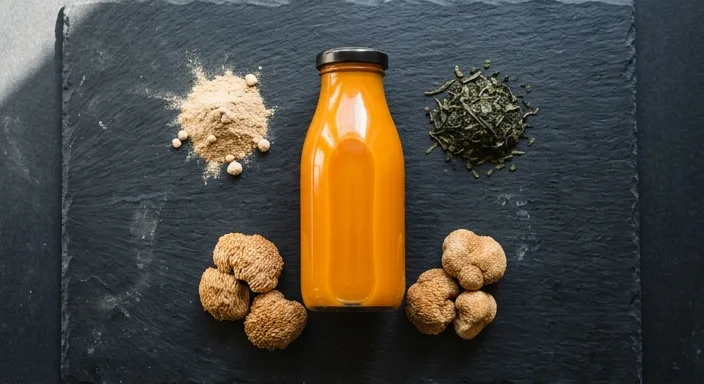
The Sensory Challenges of Brain-Boosting Ingredients
The primary challenge in nootropic beverage formulation is the "lingering" effect. Unlike sugar, which hits the palate and dissipates, the alkaloids in nootropics tend to bind to bitter receptors (T2Rs) and stay there. This leads to a metallic or dry aftertaste that can ruin the drinking experience. Furthermore, many nootropics are not fully water-soluble, leading to sedimentation or a "chalky" mouthfeel that requires stabilizers or emulsifiers to correct.
Advanced Masking Strategies for Food Scientists
Successful formulation requires a multi-pronged approach to taste modulation:
1. Bitter Blockers: These are specialized natural flavors that work by physically blocking the bitter receptors on the tongue or by interfering with the signal sent to the brain. They are essential when using high doses of caffeine or Bacopa.
2. Acid Reductions & Adjustments: While citric acid is the industry standard, it can sometimes accentuate the sharp "bite" of certain nootropics. Using malic acid (found in apples) or tartaric acid (found in grapes) can provide a smoother, more rounded acidity that hides medicinal notes better.
3. Sweetener Synergy: Using a single sweetener rarely works. A blend of Stevia (which has its own bitter tail) with Erythritol or Monk Fruit can create a "fuller" sweetness profile that coats the tongue and provides a physical barrier against bitter compounds.
Flavor Pairing for Functional Success
Don't fight the ingredient; work with it. If you are using earthy ingredients like Lion's Mane or Ashwagandha, "bright" flavors like lemonade might clash. Instead, consider:
- Blood Orange & Ginger: The spice of ginger and the complex citrus of blood orange mask earthy undertones perfectly.
- Dark Berry (Blackberry/Açaí): The natural tannins and deep pigments of dark berries harmonize with medicinal astringency.
- Tropical Guava/Mango: The high aromatic density of tropical fruits can "overwhelm" the olfactory senses in a positive way, distracting from functional off-notes.
Regulatory and Stability Considerations
In the United States, most nootropics fall under the DSHEA (Dietary Supplement Health and Education Act) or are classified as GRAS (Generally Recognized as Safe). However, dosage is critical. Many nootropics lose efficacy when exposed to the high temperatures of HTST (High Temperature Short Time) pasteurization. Developers must choose between "over-dosing" to account for degradation or utilizing aseptic filling processes to maintain the integrity of the "brain-boosting" claims.
Frequently Asked Questions
How can I make a nootropic drink "Clean Label"?
Focus on using fruit juices for color, stevia/monk fruit for sweetness, and natural bitter blockers derived from botanical extracts rather than synthetic masking agents.
What is the role of mouthfeel in masking?
A "thin" drink allows bitter compounds to hit the tongue faster. Adding a small amount of gum (like acacia or pectin) increases viscosity, which slows the release of bitterness and improves the overall sensory profile.
Does carbonation help or hurt functional flavors?
Carbonation generally helps. The carbonic acid adds a "bite" and the physical sensation of bubbles provides a sensory distraction that makes bitterness less noticeable.